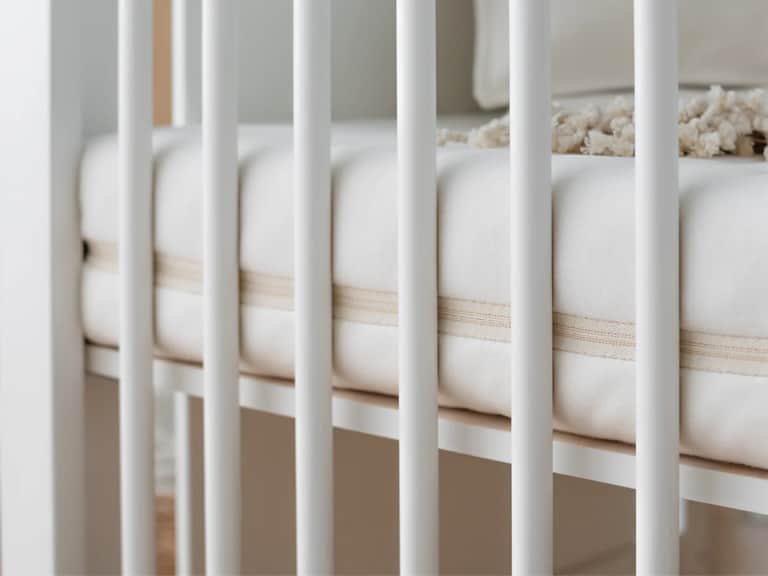
Crib mattresses are specialized sleep surfaces designed to fit standard crib dimensions while prioritizing safety, durability, and support for infants. They typically feature firm, flat surfaces that reduce the risk of suffocation and enable proper spinal alignment. Materials range from organic cotton covers to non-toxic formulations, with a focus on low emissions and easy-to-clean surfaces.
Key characteristics of crib mattresses include firmness, thickness, and temperature regulation. A firm surface helps maintain airway openness and reduces the chance of rolling into an unsafe position. Many models incorporate breathable cores or venting channels to promote airflow, which can aid in temperature management during short nap cycles and overnight sleep.
The Naturepedic Ultra Breathable 2-Stage Organic Crib Mattress exemplifies two-stage design, offering a firm infant side and a slightly softer toddler side for transitional use. Its organic materials, moisture-wicking cover, and absence of harmful phthalates contribute to a safer sleeping environment while supporting long-term usability as the child grows.
When evaluating crib mattresses, consider certifications, washability, and waterproofing options. A waterproof or water-resistant surface simplifies cleanup of accidents, while removable, washable covers help maintain hygiene. Additionally, labels indicating low VOCs and 100%foil-free construction reflect a commitment to indoor air quality and overall nursery safety.
In the broader context of nursery bedding, crib mattresses interact with fitted sheet systems and accessories such as latex and memory foam pillows designed for later stages of infancy. Understanding mattress features, including cover materials, core composition, and breathability, helps caregivers select a resilient foundation for safe infant sleep and early developmental comfort.
 Nursery